
Creation of Universe
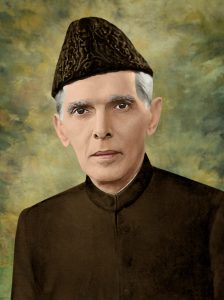
1. Introduction to Quaid-e-Azam
:contentReference[oaicite:0]{index=0}, widely known as Quaid-e-Azam, was the founding father of :contentReference[oaicite:1]{index=1} and one of the most influential political leaders of the 20th century. His leadership, determination, and unwavering commitment to the rights of Muslims in the Indian subcontinent led to the creation of an independent homeland. Jinnah was not just a politician but also a symbol of discipline, integrity, and vision. His life journey reflects resilience and strategic brilliance, making him an enduring inspiration for generations. This article explores his life, achievements, leadership qualities, and the unique ideas that shaped the destiny of millions.
2. Early Life and Family Background
Muhammad Ali Jinnah was born on December 25, 1876, in :contentReference[oaicite:2]{index=2}. He belonged to a merchant family and was the eldest of seven siblings. His father, Jinnahbhai Poonja, was a successful businessman who valued education and discipline. From an early age, Jinnah exhibited strong independence and confidence. Unlike many children of his time, he preferred structured learning and displayed leadership tendencies even in school. His upbringing in a multicultural environment helped shape his broad perspective on society. These early experiences laid the foundation for his future role as a leader who would advocate for unity, equality, and justice.
3. Education and Legal Career
Jinnah’s educational journey took him to :contentReference[oaicite:3]{index=3}, where he studied law at Lincoln’s Inn. He was one of the youngest Indians to be called to the Bar. His legal career in :contentReference[oaicite:4]{index=4} flourished rapidly due to his sharp intellect, logical reasoning, and persuasive communication skills. Jinnah became one of the highest-paid lawyers of his time. His courtroom demeanor reflected discipline and professionalism, which later became hallmarks of his political life. His legal training equipped him with analytical thinking and negotiation skills, enabling him to effectively challenge British policies and advocate for the rights of Muslims.
4. Entry into Politics
Jinnah began his political career as a member of the :contentReference[oaicite:5]{index=5}, where he initially promoted Hindu-Muslim unity. He believed in constitutional reforms and peaceful negotiations. However, over time, he realized that the rights of Muslims were not being adequately represented. This realization led him to join the :contentReference[oaicite:6]{index=6}. His transition marked a significant turning point in his life, as he dedicated himself to safeguarding Muslim political interests. Jinnah’s political journey demonstrates his ability to evolve and adapt while remaining committed to justice and fairness.
5. Vision for a Separate Homeland
One of Jinnah’s most remarkable contributions was his vision for a separate homeland for Muslims. He believed that Muslims and Hindus were two distinct nations with different cultures, traditions, and values. This idea later became known as the :contentReference[oaicite:7]{index=7}. Jinnah argued that Muslims needed a separate state where they could freely practice their religion and develop their identity. His vision was not based on division but on ensuring equality and security. This unique perspective transformed the political landscape and mobilized millions to support the demand for Pakistan.
6. Leadership During the Freedom Movement
Jinnah’s leadership during the independence movement was characterized by strategic planning and unwavering determination. He led negotiations with the British government and consistently advocated for Muslim rights. His efforts culminated in the historic :contentReference[oaicite:8]{index=8}, which gained momentum under his guidance. Jinnah emphasized unity, discipline, and faith among his followers. Unlike many leaders, he relied on constitutional methods rather than violence. His ability to inspire people and maintain focus on the ultimate goal played a crucial role in achieving independence in 1947.
7. Creation of Pakistan
On August 14, 1947, Pakistan emerged as an independent state, marking the success of Jinnah’s lifelong struggle. He became the first Governor-General of the country and took on the immense responsibility of nation-building. The partition of British India was accompanied by challenges such as mass migration, violence, and economic instability. Despite these difficulties, Jinnah remained steadfast in his mission to establish a stable and prosperous nation. His leadership during this critical period demonstrated resilience and a deep sense of responsibility toward the people of Pakistan.
8. Principles of Governance
Jinnah envisioned Pakistan as a democratic state where all citizens would enjoy equal rights regardless of religion, caste, or ethnicity. In his famous speech on August 11, 1947, he emphasized the importance of religious freedom and rule of law. He believed in meritocracy, accountability, and transparency in governance. His principles were rooted in justice and fairness, reflecting his legal background. Jinnah’s vision for governance continues to guide Pakistan’s political framework and serves as a benchmark for ethical leadership in modern times.
9. Personal Qualities and Leadership Style
Jinnah’s personality was defined by discipline, integrity, and determination. He was known for his punctuality, professionalism, and strong work ethic. His leadership style was firm yet inclusive, allowing him to command respect and inspire loyalty. Jinnah valued honesty and expected the same from his colleagues. His ability to remain calm under pressure and make rational decisions set him apart as a leader. These qualities not only helped him achieve political success but also established him as a role model for future generations.
10. Challenges and Criticism
Despite his achievements, Jinnah faced numerous challenges and criticism throughout his career. Opponents questioned the feasibility of creating a separate state and criticized his political strategies. The partition of India led to widespread violence and displacement, which remains a sensitive topic in history. However, Jinnah’s supporters argue that these challenges were inevitable given the circumstances. His ability to navigate complex political situations and remain focused on his goals highlights his resilience and determination. Understanding these challenges provides a balanced perspective on his legacy.
11. Legacy and Impact
The legacy of Muhammad Ali Jinnah extends beyond the creation of Pakistan. He is remembered as a leader who stood for justice, equality, and human rights. His vision continues to inspire not only Pakistanis but also people around the world. Institutions, roads, and educational centers have been named in his honor, reflecting his enduring influence. Jinnah’s ideas about democracy and governance remain relevant in today’s global context. His life serves as a reminder that strong leadership and clear vision can bring about significant change.
12. Conclusion: Lessons from Quaid-e-Azam’s Life
Quaid-e-Azam’s life offers valuable lessons in leadership, perseverance, and integrity. His journey from a young lawyer to the founder of a nation demonstrates the power of determination and vision. He taught the importance of unity, discipline, and faith in achieving collective goals. In a world facing numerous challenges, his principles remain a guiding light. By understanding and applying his ideas, individuals and societies can strive for progress and harmony. Muhammad Ali Jinnah’s legacy will continue to inspire future generations to work toward a better and more just world.